
10 Anti-Drone Weapons Used by the U.S. Military (2026 Update)
Unmanned aerial vehicles have transformed modern warfare in innumerable ways. The latest example is Iran’s Shahed. This low-cost drone with a price tag of around $20,000 is causing problems for the U.S. in the U.S.-Iran War by forcing the U.S. to deploy million-dollar interceptors in an attempt to defeat them, according to the Independent.
The Russian invasion of Ukraine has also demonstrated the utility and value of first person view, or FPV, drones. These aircraft can be as cheap as $500 to develop, have a flight range of 3-to-12.5 miles or more and can carry payloads up to 6.5 pounds, enough for a sizable munition to take out an enemy.
As a result, the global anti-drone market is expanding rapidly. Pentagon anti-drone spending is exepcted to top $10 billion from 2024 to 2029, while peaking at $1.9 billion in 2027, according to a report by the Institute for Defense and Government Advancement.
Middle East nations including the United Arab Emirates, Kuwait, Jordan, Oman and Israel have been investing in anti-drone techonology for years. This includes a late 2025 deal between MBDA and an unnamed Middle Eastern nation for MBDA’s SkyWarden anti-drone solution, according to Forecast International.
In response, a variety of cutting-edge technologies such as signal jammers and spoopers, lasers and even traditional munitions and nets are being used to defeat UAVs. Below we dig into several contracts issued by the Pentagon to create more advanced and innovative anti-drone technologies.
Why Are Anti-Drone Weapons Are Important?
Anti-drone weapons are important to keep these aircraft away from critical infrastructure like airports and military installations. The Federal Aviation Administration forecasted that between 2021 and 2026, the recreational drone fleet would increase from 1.6 million to 1.8 million while the commercial UAV fleet would grow from 622,000 to 858,000, according to a 2023 Government Accountability Office report.
But this brings challenges to existing aviation infrastructure. From 2016 to 2019, airline pilots saw more than 100 drones in a month, as detailed in a 2020 Congressional Research Service report. Some were spotted near airports and passenger planes, which is a significant safety concern.
Unfortunately, UAVs can be used for nefarious purposes. The Department of Homeland Security and law enforcement agencies have uncovered incidents where drones were used to transport illegal drugs across borders, drop contraband into prison yards and even engage in industrial espionage.
What Can Anti-Drone Weapons Do?
Anti-drone weapons are various technologies used to ultimately defeat UAVs. Anti-drone capabilities currently on the market have technologies including the following:
- Drone radio signal jammers. These disrupt the Global Positioning System, or control signals, of UAVs and are often deployed from gun-like deployment systems.
- Spoofers. These manipulate GPS signals from drones.
- Directed energy weapons. Including lasers and microwave weapons, these defense mechanisms destroy adversary UAVs without firing a projectile.
- Net guns. A net gun deploys a net, not a weapon, that encompasses an enemy UAV, interfering with its rotors and defeating it. Net guns, like the ParaZero DefendAir Personal Net Gun, has a maximum range of 115 feet and can be used to engage medium sized fixed wing UAVs or small quadcopter-type drones, according to defense industry news site Janes.
- Munitions. Classic munitions such as ammunition can be used to defeat larger UAVs.
Learn how the Department of War is addressing drone threats and counter-drone opportunities at the Potomac Officers Club Summer Series of U.S. military-focused GovCon events! Dive into Army business opportunities at the 2026 Army Summit on June 18, gain actionable Air Force and Space Force intelligence at the 2026 Air and Space Summit on July 30 and wrap up your summer with the 2026 Navy Summit on Aug. 27. Meet and learn from the nation’s top C-UAV experts at all three events!
What Is Counter-Drone Technology?
In the U.S., regulations prohibit most civilians from interfering with drone operations. However, counter-UAS technology has become essential in the government and military. Counter-drone technology is designed to detect, classify and address drones and unmanned aerial vehicles. This can be divided into two main methods: drone detection and drone mitigation/interception.
Drone Detection
Drone detection consists of technologies that help identify the presence of drones. Some detection technologies include:
- Thermal imaging: Thermal imaging cameras are excellent for detecting small, fast-moving objects at low altitudes. They can detect heat signatures of a drone’s motors and batteries, enabling law enforcement officers to track and identify the UAV even in challenging conditions. Also, thermal imaging cameras can identify UAV operators by detecting the heat signature of a person’s body. This can help locate the drone’s operator.
- Radio frequency systems: RF sensors that detect drones operate within the 70 MHz to 6 GHz frequency range. They capture information such as the drone’s make, model, serial number, current location and the pilot’s location. Radio frequency technology is cost-effective, as it can detect the drone and its controller and track multiple targets over long distances. However, it may struggle to detect drones flying inertially, but this can be overcome by incorporating illuminators like pulse radars.
- Acoustic methods: Acoustic sensors have an advantage over radio frequency analyzers because they can detect any drone within the electromagnetic spectrum’s near-field, including autonomous drones that don’t rely on radio waves. These sensors extract and classify acoustic features to detect drones, estimating rotor speed and altitude even if the drone is out of sight.
Drone Mitigation/Interception
Drone mitigation and interception focus on technologies that repel or intercept drones. Some examples include:
- Interference signals: Anti-drone guns with multiple frequency bands (GNSS, 2.4G, and 5.8G) can disrupt drone communication and GPS navigation, forcing the drone to land or divert its course.
- Netting systems: This is a non-lethal way of using nets to capture drones in mid-air.
- Shooting: Shooting down drones has consequences, including potential charges of reckless endangerment or violating firearm discharge laws. The individual responsible may also be liable for civil damages to the drone’s owner. However, the U.S. Navy has successful tests on a laser weapon system to shoot down drones.
- Trained eagles and falcons: Some use these birds of prey to disable or intercept the drone.
- Kinetic countermeasures: These refer to “hard kills” and involve physically damaging the drone or knocking it to the ground.
10 Effective Anti-Drone Weapons
Here’s a list of some of the anti-drone weapons the Department of Defense has invested in the last few years:
Vehicle Agnostic Modular Palletized ISR Rocket Equipment (VAMPIRE)
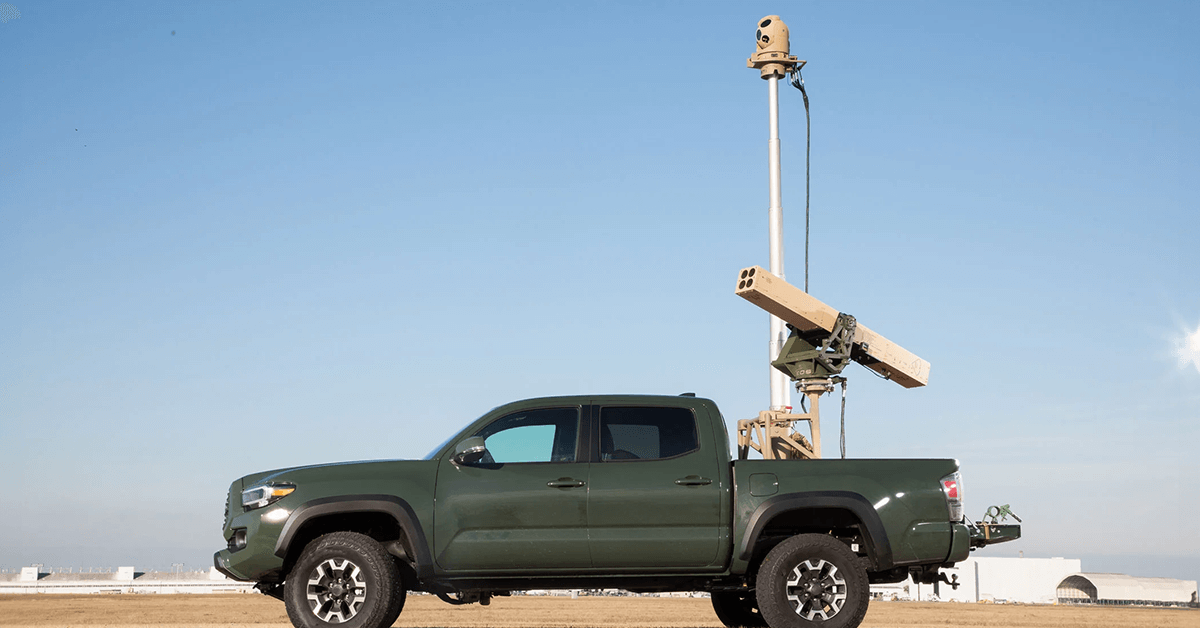
L3Harris‘ Vehicle Agnostic Modular Palletized ISR Rocket Equipment, aka VAMPIRE, kit allows ground forces to target and shoot 70 mm laser-guided rockets to enemy drones. These VAMPIRE kits are portable and can be installed on various vehicles with cargo beds to facilitate the launch of Advanced Precision Kill Weapons Systems, or APKWS, and laser-guided munitions.
Timeline of VAMPIRE kits
- 2021: L3Harris first developed and field-tested the VAMPIRE system and submitted an advanced prototype to the U.S. Department of Defense.
- 2022: L3Harris continued range and durability tests of the system and submitted an advanced prototype to the U.S. Department of Defense.
- 2023: The units were delivered to Ukraine by mid-2023 to defeat Russian drones.
- 2025: The Pentagon awarded L3Harris a new contract for additional VAMPIRE systems.
Smash 2000L Optics
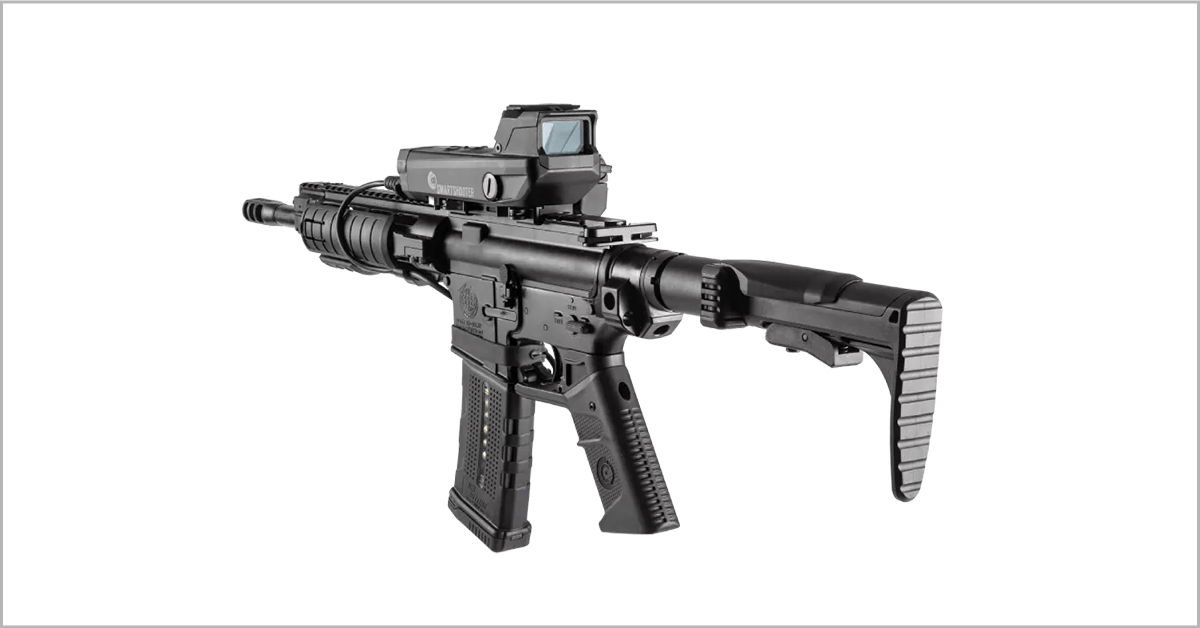
Smart Shooter, an Israel-based company, has developed its Smash 2000L anti-drone optics for small arms and rifles. This system allows users to precisely and accurately target small drones by using artificial intelligence, assisted vision and advanced algorithms.
The optics weigh around 1.5 pounds, less than half the previous model’s weight. Additionally, Smart Shooter will enhance it to provide up to eight times magnification for the Irregular Warfare Technical Support Directorate, which serves the U.S. Department of War and interagency customers.
The U.S. Army in May 2025 awarded Smart Shooter a $13 million contract for Smash 2000L systems, accoding to Army Recognition.
DroneGun
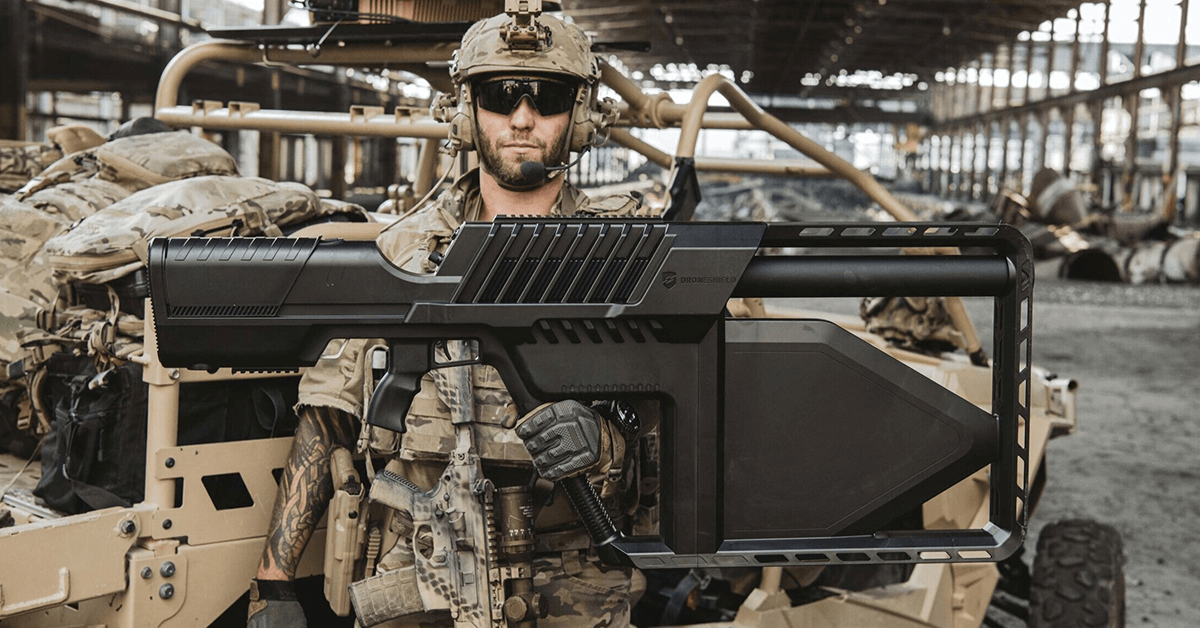
DroneShield is a company based in Australia and the U.S. that develops anti-drone technologies. The company recently received a contract order from the Five Eyes Community to supply anti-drone guns. Both of the company’s DroneGun and DroneGun Tactical are used to counter UAVs.
DroneShield’s smaller DroneGun is hand-operated with long-range capability, with antennas designed like a lightweight, steady rifle. It offers a safe way to counter various UAS threats, such as drones, without causing any harm to commonly used drone models or the surrounding environment.
DroneGun Tactical, which is pictured, provides a powerful and long-range anti-drone capability. It features more than two hours of operating time while weighing 16 lbs.
DroneShield in September 2025 was awarded a pair of contracts totalling $8 million from the Pentagon for its anti-drone technologies. The company in February received a package of six standalone contracts totalling $22 million from a Western military customer for a supply of dismounted counter-drone systems, spare kits and software subscriptions.
Here’s a video of how DroneGun works:
Lattice System and Sentry Tower
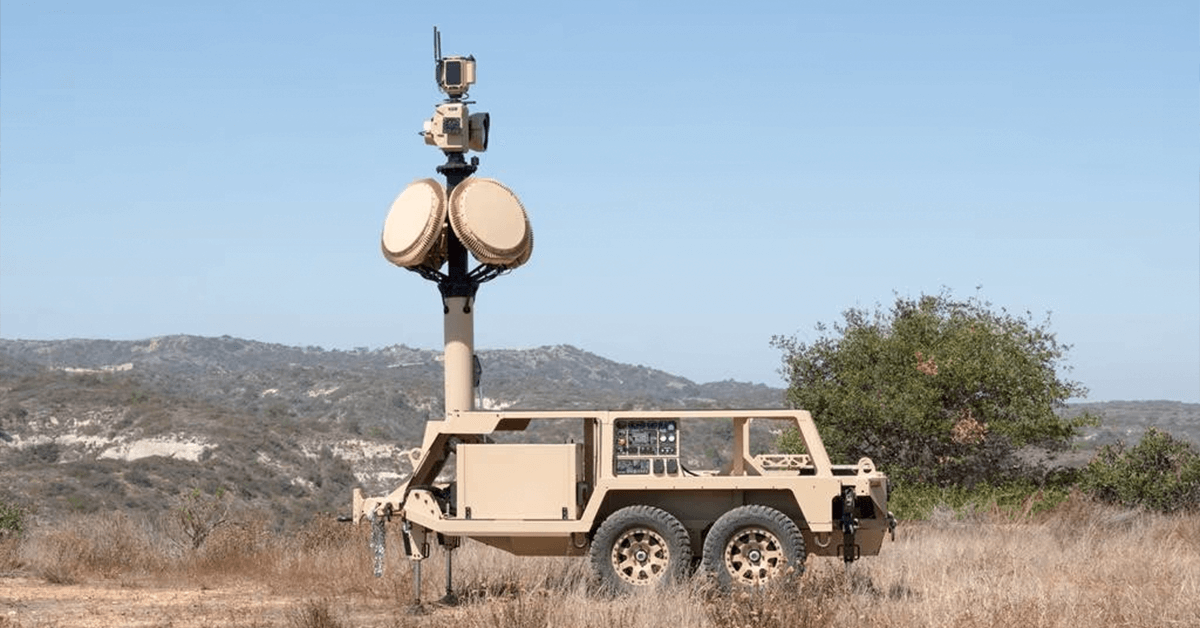
Anduril’s Lattice system autonomously detects, classifies and tracks targets on the battlefield, alerting users to potential threats and presenting solutions to engage and eliminate them. The Sentry tower consists of radar and optical sensors embedded in computing cores capable of processing data using machine learning algorithms for threat detection, identification and tracking.
The U.S. Army in March awarded Anduril a contract worth as much as $20 billion for Lattice, according to Army Recognition. The award specifically consolidates modern and future commerical solutions with Anduril’s proprietary and open-architecture Lattice suite, data and technical support into one mission-ready system.
Anduril in 2022 was awarded a nearly $1 billion contract by Special Operations Command for Lattice, Army Recognition reported.
Discover the latest advancements in anti-drone technologies at the Potomac Officers Club’s Summer Series of U.S. military service-focused GovCon events! The summer starts with the 2026 Army Summit on June 18. Elevate your GovCon business at the 2026 Air and Space Summit on July 30 and wrap up your summer at sea with the 2026 Navy Summit on Aug. 27. Gain actionable business intelligence and win more contracts in 2026.
Mjölnir
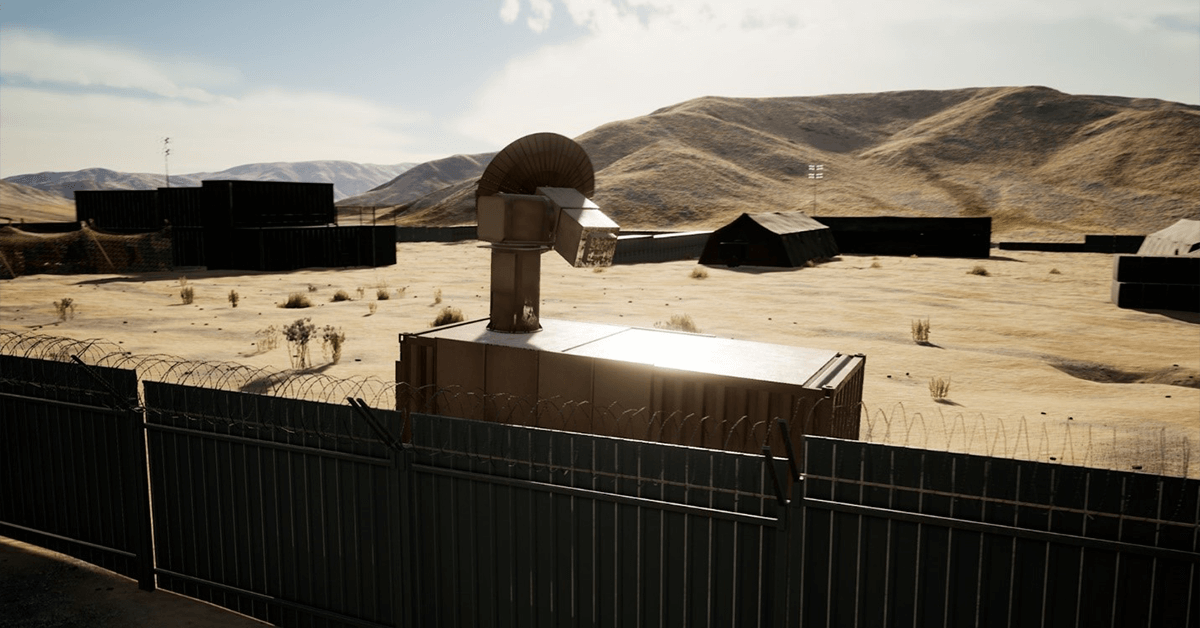
The Air Force Research Laboratory successfully tested a new THOR weapon designed to disable a large group of drones. THOR uses powerful bursts of microwave energy to bring down small unmanned systems. The military has eagerly followed its development and gained attention outside the armed forces.
In 2021, the Air Force Research Laboratory announced they were working on a successor to THOR called “Mjölnir,” named after Thor’s famous hammer in Norse mythology. Leidos was chosen to build Mjölnir in 2022, which will incorporate the same technology as THOR but with improved capability, reliability, and manufacturing readiness.
Mjölnir demonstrated a 90 percent effectiveness rate during testing, but Leidos expects further adjustments to increase it to 100 percent. The weapon detects approaching drones early on, allowing for analysis of their threat. It then uses bursts of microwave energy to disable drones operating in swarms.
Mjölnir is conveniently stored in a single cargo container, making it easy to deploy on the ground or transport using Air Force cargo planes. Setting it up takes only three hours with the assistance of two people, and operating it requires minimal training. Additionally, it can draw power from a regular wall plug to eliminate enemy UAVs.
Silent Archer
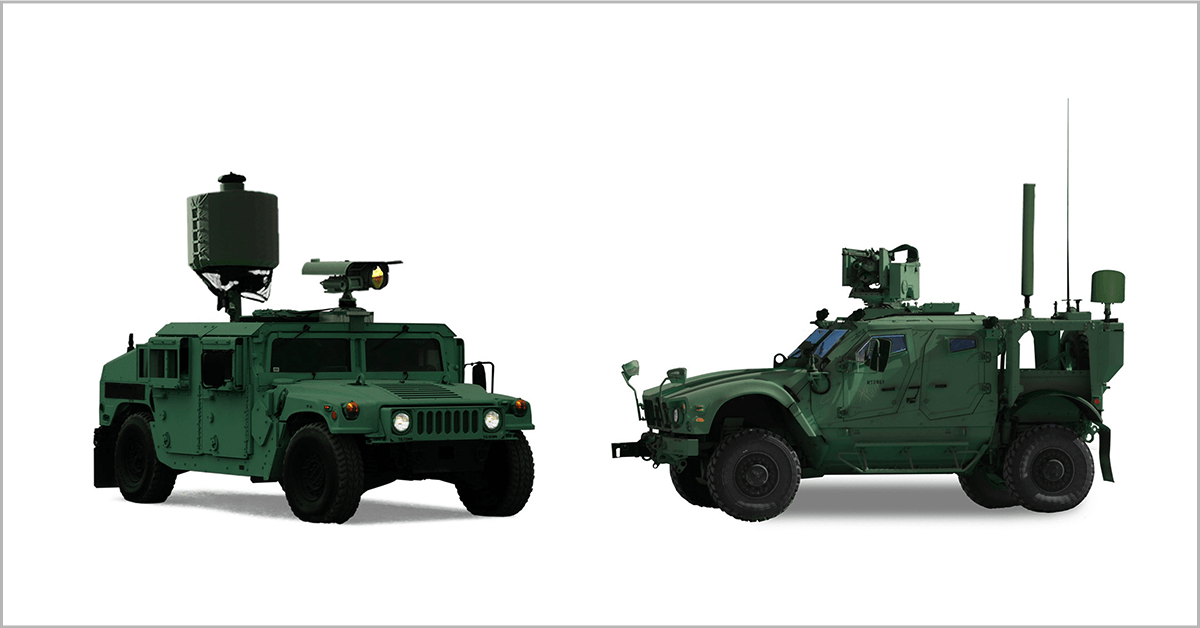
Low-flying small drones, including commercially-available quadcopters, are challenging to detect and can avoid radar. An unclassified Army report on small drones highlighted the growing threat posed by these unmanned aerial systems (UAS). There are over 600 different types of small drones being used in more than 80 countries. The Islamic State has employed small drones in conflicts in Iraq and Syria.
The U.S. Army in 2019 awarded SRC a $108 million contract for its Silent Archer anti-drone technology, Army Technology has reported. This system is designed to counter small, slow, and low-flying drones, which pose a growing threat to the U.S. armed forces worldwide.
Multi-Environmental Domain Unmanned Systems Application (MEDUSA)
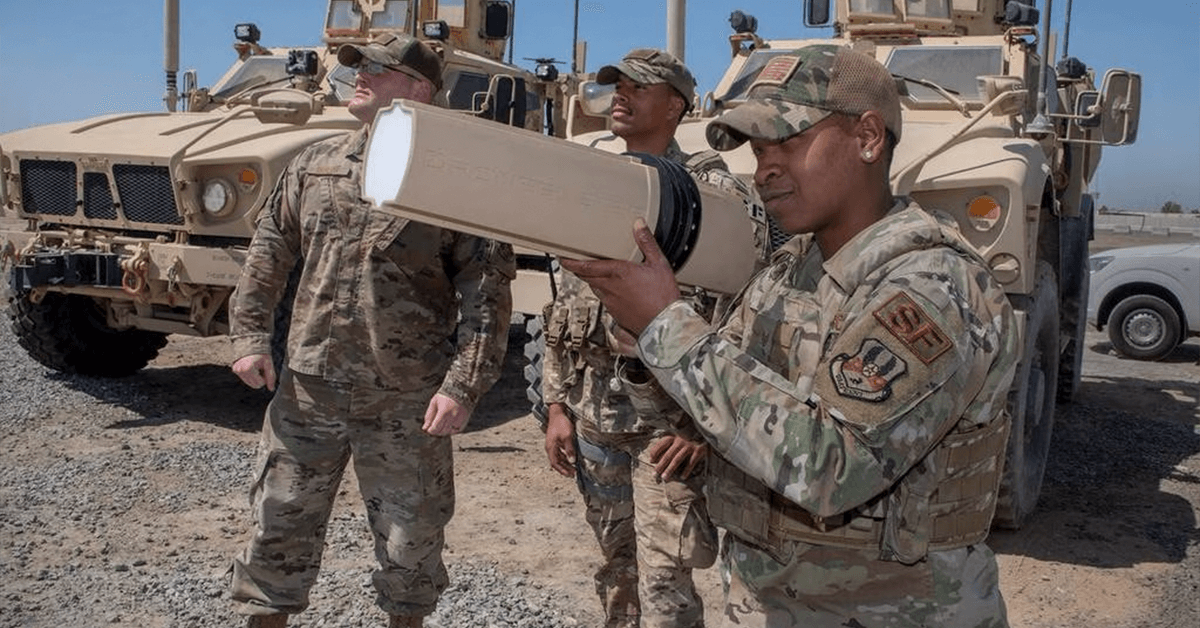
The military has been facing difficulties in dealing with small drones, also known as sUAS (small unmanned aerial systems). These are hard to spot and are available for purchase by the public, making them a threat to military installations.
The U.S. Air Force in 2020 awarded a $90 million contract to SRC subsidiary SRCtec for MEDUSA counter-drone systems, according to Defense Daily. The MEDUSA system combines various components and technologies to detect and disable small drones.
The aim is to develop a system that can quickly be deployed to areas with a significant drone threat to military personnel or resources. The ADAB test base is working on this project and will continue to develop the plan for counter-small drone operations in the future.
Ku-band Radio Frequency Sensors (KuRFS) and Coyote Effectors
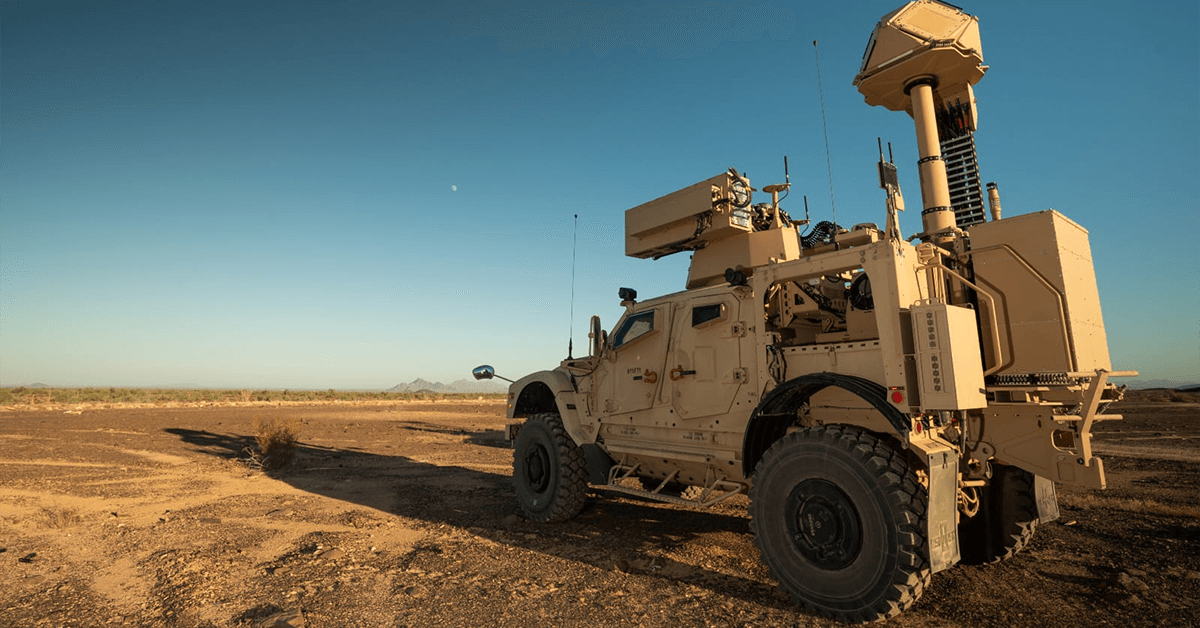
In September 2025, Raytheon was awarded an Army contract worth as much as $5 billion to provide Ku-band Radio Frequency Sensors (KuRFS) and Coyote missiles, according to Army Recognition.
The KuRFS technology consists of two types of radar: precision targeting radar and scaled Ku720 mobile sensing radar. These radars can detect, identify and track airborne threats within a range of up to 60 kilometers.
Raytheon’s KuRFS and Coyote missiles are part of the US Army’s integrated defeat system called LIDS, which is used to counter low, slow, and small unmanned aircraft. The KuRFS system offers 360-degree threat detection capabilities, while the Coyote missiles are cost-effective and can take down drones.
Raytheon claims their Coyote missiles are designed to intercept and disable hostile drones. They can defeat single drones and groups of drones of different sizes and maneuverability, even at higher altitudes and longer distances than similar systems.
Leonidas
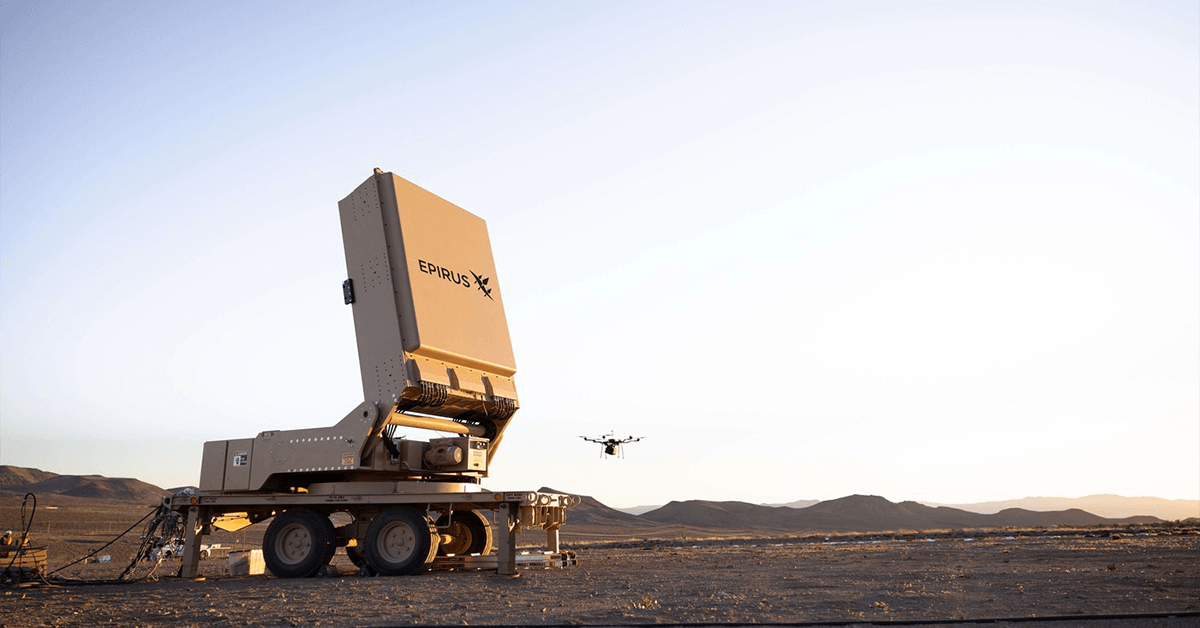
The Army has made big bets that Epirus’ Leonidas high-powered microwave short-range air defense system will defeat drones in future combat.
Leonidas is an advanced system that uses high-powered microwave technology to disable or neutralize individual drones in tight spaces or multiple threats over a wide area. Epirus has developed a groundbreaking method of directing microwave energy, which provides exceptional anti-electronic effects, reduces the size and weight of the system and gives operators more control and safety.
The company received its most recent contract, worth $44 million, from the Army’s Rapid Capabilities and Critical Technologies Office in July 2025.
The company was to deliver two of its Integrated Fires Protection Capability High-Power Microwave, or IFPC-HPM) Generation II systems, along with associated test events, support equipment and spares.
Epirus, Inc. was previously contracted by the Army RCCTO to create Leonidas prototypes. The company in 2023 received $66 million with options to acquire additional support services, according to Army Recognition.
The system can be mounted on a gimbal to enhance maneuverability and deployed at military bases or alongside mobile units for quick response. It can precisely target a single drone, create a microwave barrier to stop a swarm and protect specific areas from aerial threats.
It can also adjust its settings to allow friendly drones to operate while eliminating hostile ones nearby. It’s easily scalable and adaptable and incorporates safety features to prevent harm to people in designated safe zones.
Titan
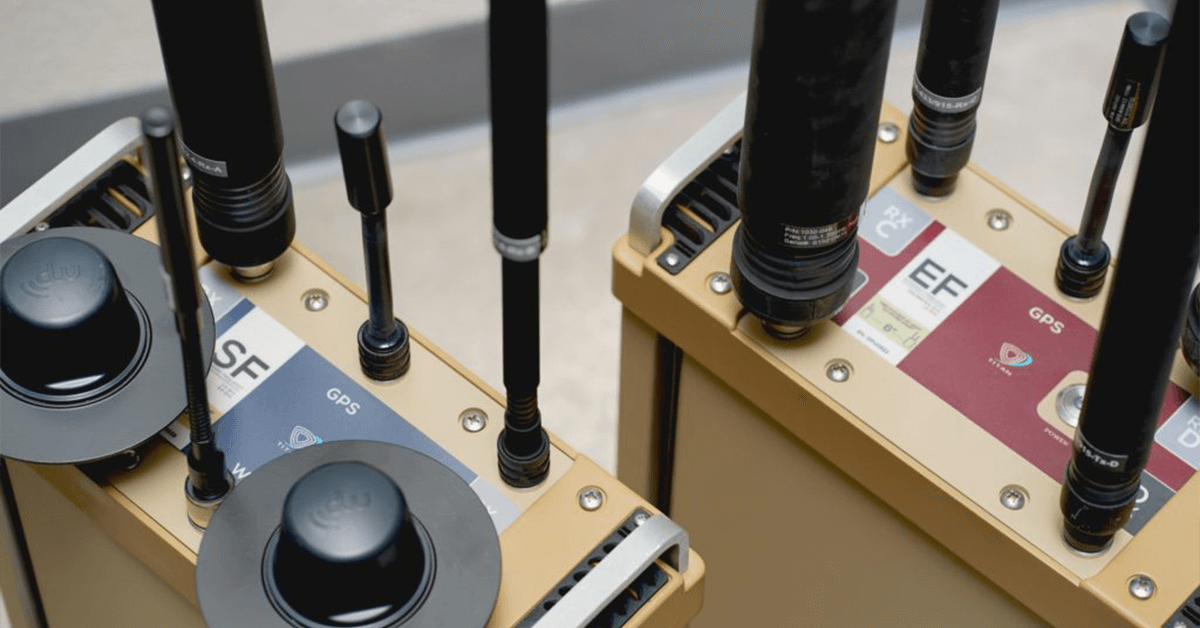
BlueHalo’s Titan in 2022 received a $27 million contract from the U.S. Department of Defense to supply multiple Titan C-UAS systems.
Titan systems are for pre-deployment activities, mobile security, protecting fixed sites, and conducting operations on foot. The C-UAS system provides operators with immediate awareness of their surroundings and helps protect them on the battlefield within under five minutes.
“Titan acts as a force multiplier for our troops,” said Jonathan Moneymaker, former BlueHalo CEO and 2022 Wash100 Award winner. “Titan creates a sphere of threat detection and protection around soldiers and key military assets–providing an innovative, affordable, easy-to-use system to save warfighter lives and ensure mission success.”
Titan’s C-UAS solution is powered by artificial intelligence and machine learning technology and utilizes radio frequency (RF) technology. The DOD has selected it as a Program of Record (POR) capability.
BlueHalo was acquired by AeroVironment in late 2024.
This article was refreshed by a member of the Executive Mosaic editorial team on May 8, 2026, with new and updated information.

Category: Articles